
The Strait of Hormuz Standoff: Oil, Sanctions, and a Rejected Roadmap
Iran has floated a seven-day roadmap to reopen the Strait of Hormuz and pause hostilities in exchange for sanctions relief. Washington has said no. Here is what is at stake in the world's most important oil chokepoint.
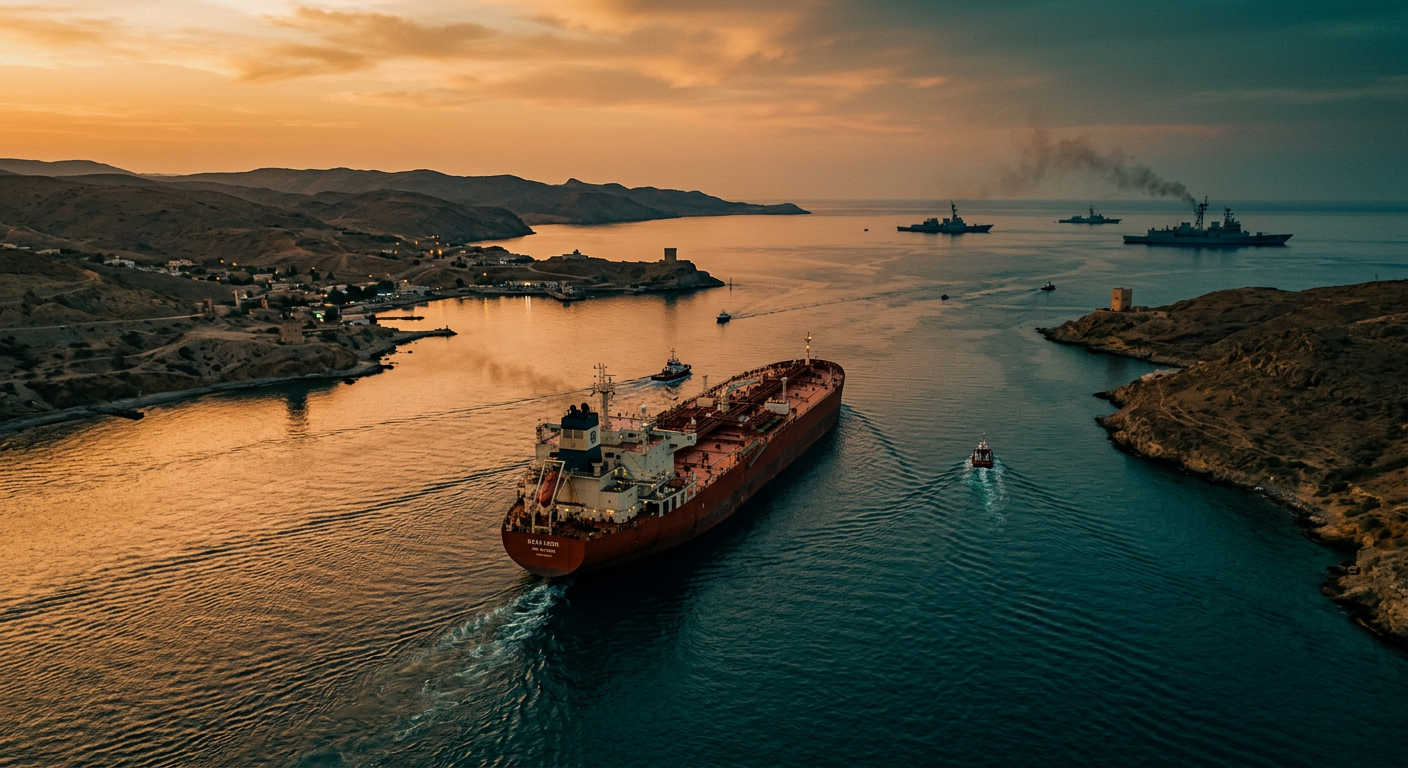
Roughly a fifth of the world's oil passes through a waterway barely 33 kilometres wide at its narrowest point. The Strait of Hormuz has become the pressure point of the conflict between the United States, Israel, and Iran that began earlier this year — and this week it moved back to the centre of the story.
The offer, and the refusal
Iran recently proposed a seven-day roadmap: reopen the strait, pause regional hostilities, and in return see sanctions lifted and a naval blockade eased. Reports indicate President Trump has rejected the deal, with officials signalling he expects to resume a bombing campaign against Iran after the November midterm elections.
Meanwhile, Iran-backed Houthi forces continue to launch drone and missile attacks against Saudi Arabia, keeping a second front simmering across the Arabian Peninsula.
Why Hormuz is different
Not all chokepoints are equal. Hormuz has three features that make it uniquely dangerous:
- No easy bypass. Only a fraction of Gulf crude can be rerouted through pipelines. Most must sail the strait.
- Concentration. Saudi Arabia, the UAE, Kuwait, Qatar, and Iran itself all depend on it. A disruption hits allies and adversaries alike.
- Asymmetry. Iran cannot match the US Navy ship-for-ship, but mines, fast boats, and shore-based missiles can make the strait uninsurable — and insurance, not firepower, often decides whether tankers sail.
The economics of a threat
The market does not need the strait to actually close to feel the effect. The threat alone raises shipping insurance, widens crude price spreads, and pulls forward buying — a tax on the global economy paid in higher energy costs long before a single vessel is stopped.
In the Gulf, the credible threat of closure is a weapon in its own right.
What to watch
Three signals will tell you which way this is heading: the tempo of Houthi strikes on Saudi Arabia, any movement of US carrier groups in the region, and — most tellingly — the price of tanker insurance out of Gulf ports. Diplomacy may have stalled, but the market will price the risk in real time.
Related reading
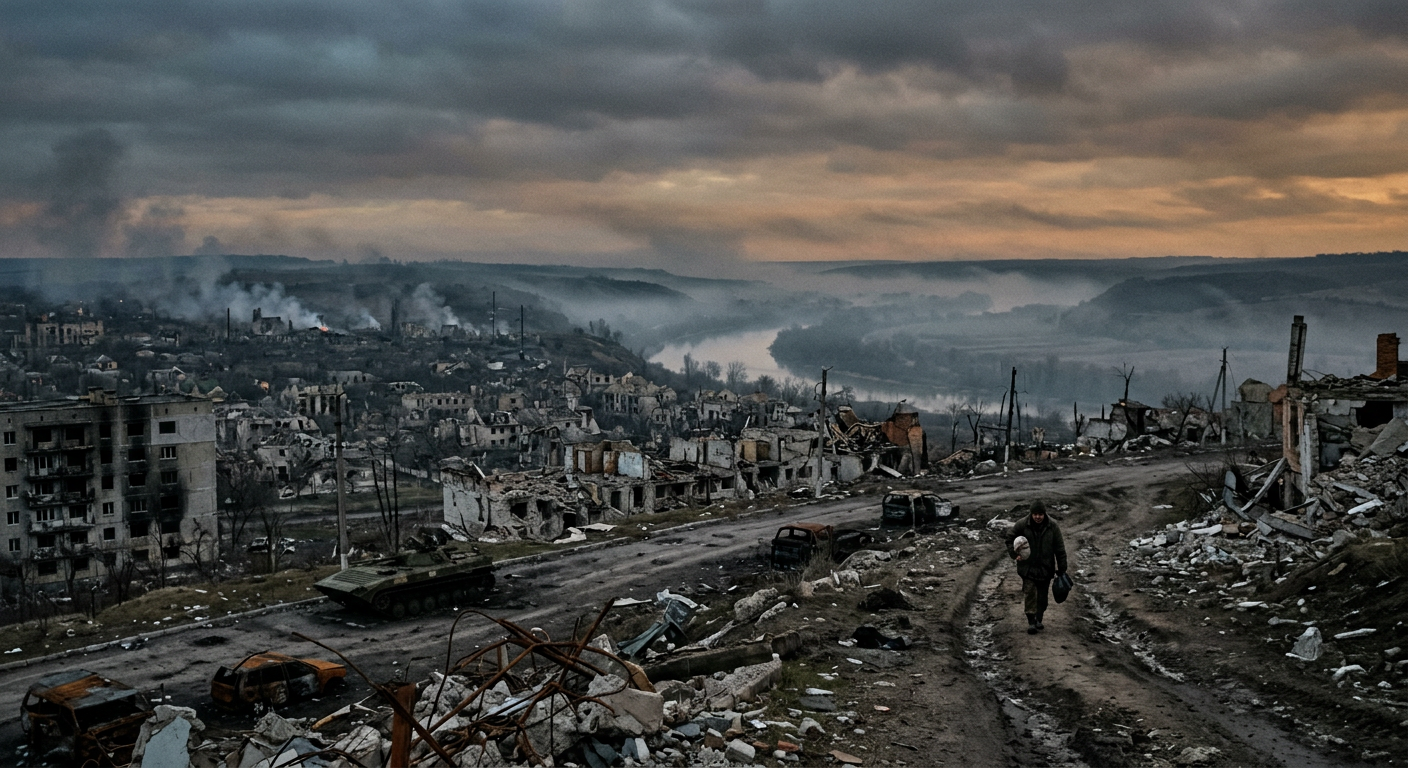
Operation Vivaldi: Inside Ukraine's Autumn Counteroffensive
Ukraine's Operation Vivaldi has pushed Russian forces back from the Donbas fortress belt toward the Zherebets and Siverskyi Donets rivers. A look at what the manoeuvre means on the ground and in the wider war.
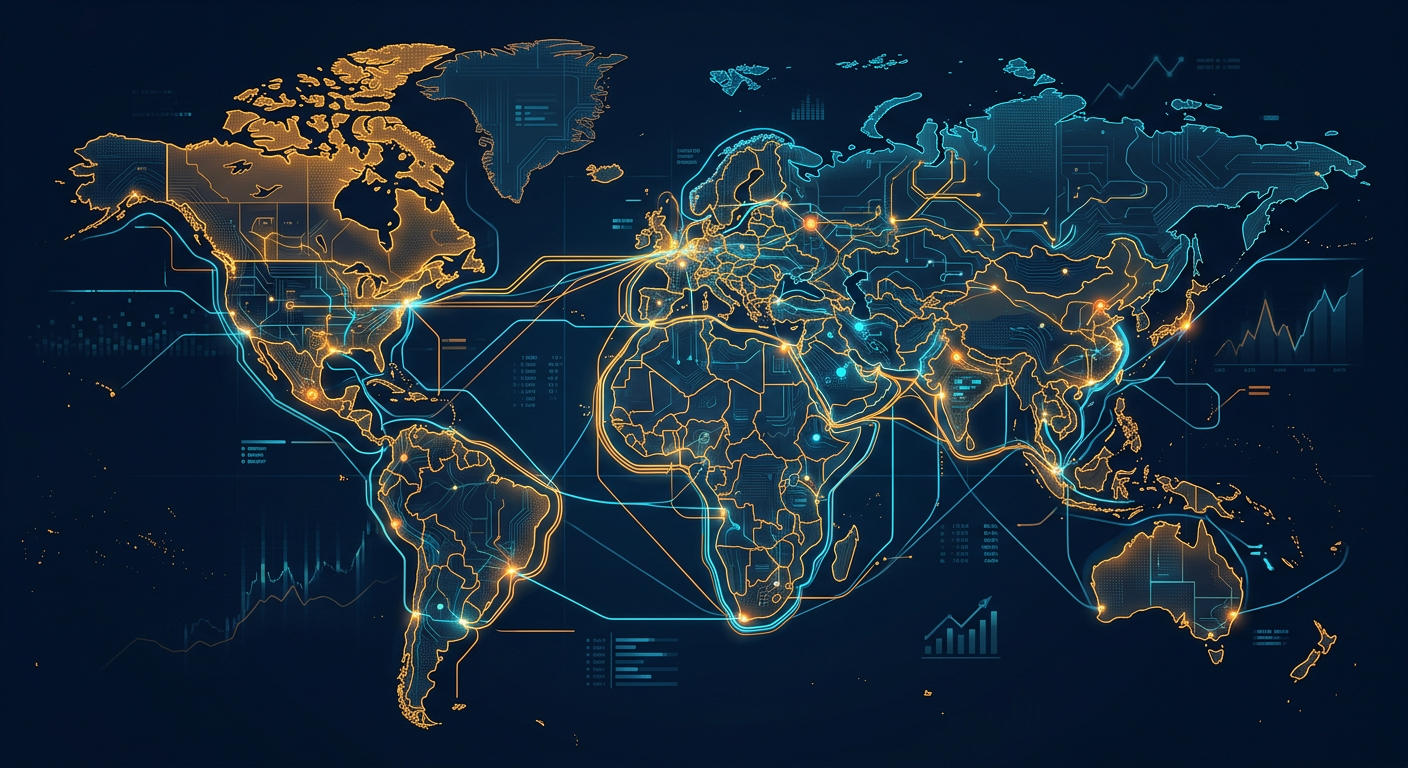
A World on Two Fronts: How 2026's Conflicts Are Reshaping Global Energy
From the rivers of the Donbas to the Strait of Hormuz, two wars are now pulling on the same lever: energy. A wider look at how simultaneous conflicts are rewiring the global economy.