
Operation Vivaldi: Inside Ukraine's Autumn Counteroffensive
Ukraine's Operation Vivaldi has pushed Russian forces back from the Donbas fortress belt toward the Zherebets and Siverskyi Donets rivers. A look at what the manoeuvre means on the ground and in the wider war.
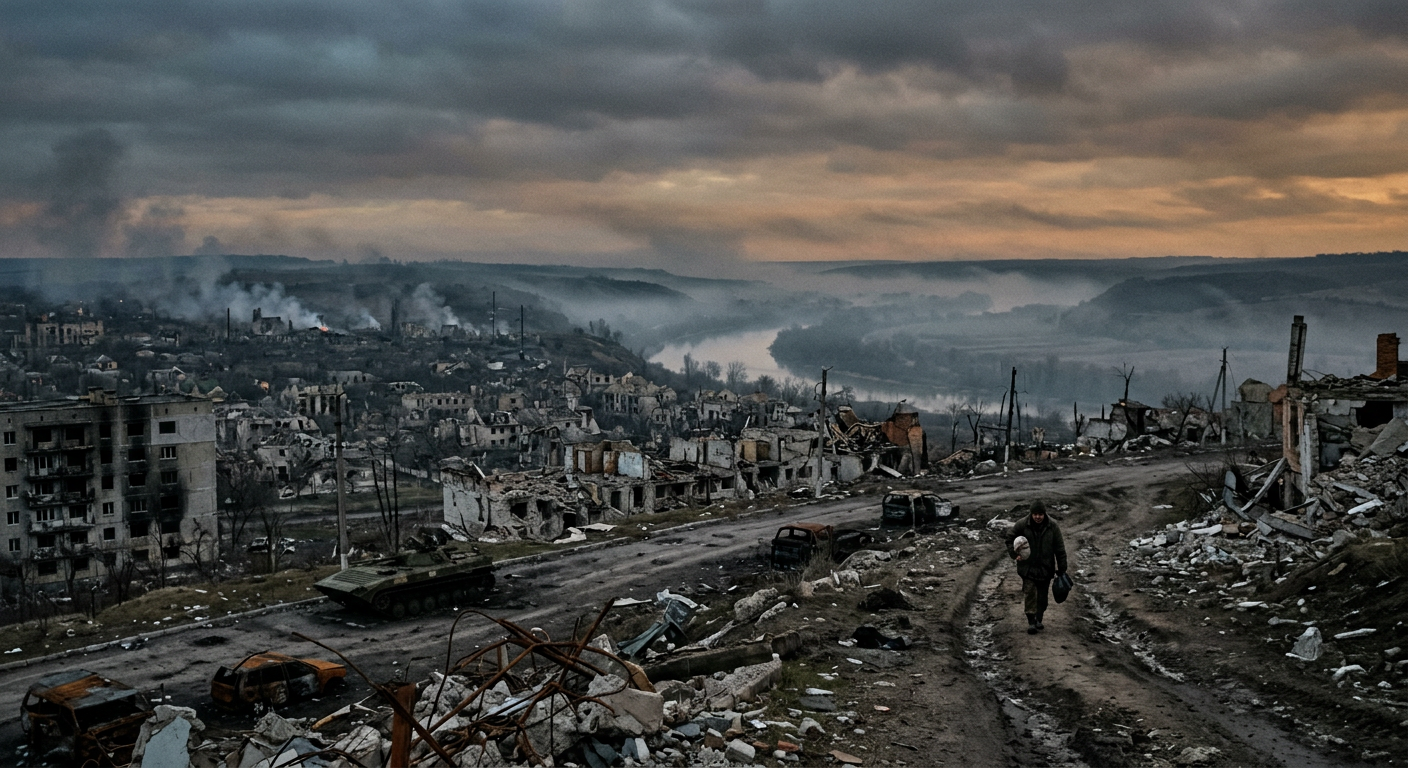
For the first time in months, the line on the map in eastern Ukraine is moving in Kyiv's favour. Operation Vivaldi, the counteroffensive Ukrainian forces launched this autumn, has pushed Russian units back from the so-called Donbas fortress belt and toward the natural barriers of the Zherebets and Siverskyi Donets rivers.
What changed on the ground
The fortress belt — a dense chain of fortified towns that Russia spent much of the last two years grinding toward — was supposed to be the war's most defensible ground. Vivaldi's early gains suggest that entrenched positions matter less when the attacker loses the initiative and the defender can strike deep behind the front.
Three dynamics stand out:
- River lines as objectives. Rivers are the oldest defensive feature in warfare. By driving Russian forces back onto the far banks, Ukraine trades contested open ground for a natural boundary it can hold with fewer troops.
- The deep fight. Ukrainian long-range drones have repeatedly struck Russian oil refineries and military-industrial sites far from the front, degrading the logistics that keep an offensive fed.
- Russia's countervalue turn. Unable to stop the advance at the line of contact, Russia has intensified long-range strikes on Ukrainian data centres, telecommunications, and energy infrastructure — a campaign aimed at civilians and the economy rather than the battlefield.
Why it matters beyond the front
Counteroffensives are as much political as military. A visible advance strengthens Kyiv's hand with wary partners and complicates any narrative that the war has settled into a frozen stalemate. But momentum is expensive: every kilometre gained lengthens supply lines and exposes flanks.
The hardest part of any offensive is not taking ground — it is holding it through the winter that follows.
The road ahead
Whether Vivaldi becomes a turning point or a seasonal bulge depends on what happens after the rivers are reached. Consolidation, air defence for the cities now under bombardment, and the pace of Western resupply will decide if this autumn is remembered as the moment the initiative changed hands.
For now, the significance is simple: after a long defensive winter of the war, Ukraine is once again setting the terms of the fight.
Related reading

The Strait of Hormuz Standoff: Oil, Sanctions, and a Rejected Roadmap
Iran has floated a seven-day roadmap to reopen the Strait of Hormuz and pause hostilities in exchange for sanctions relief. Washington has said no. Here is what is at stake in the world's most important oil chokepoint.

A World on Two Fronts: How 2026's Conflicts Are Reshaping Global Energy
From the rivers of the Donbas to the Strait of Hormuz, two wars are now pulling on the same lever: energy. A wider look at how simultaneous conflicts are rewiring the global economy.